Conservation in autumn: woodlands and trees
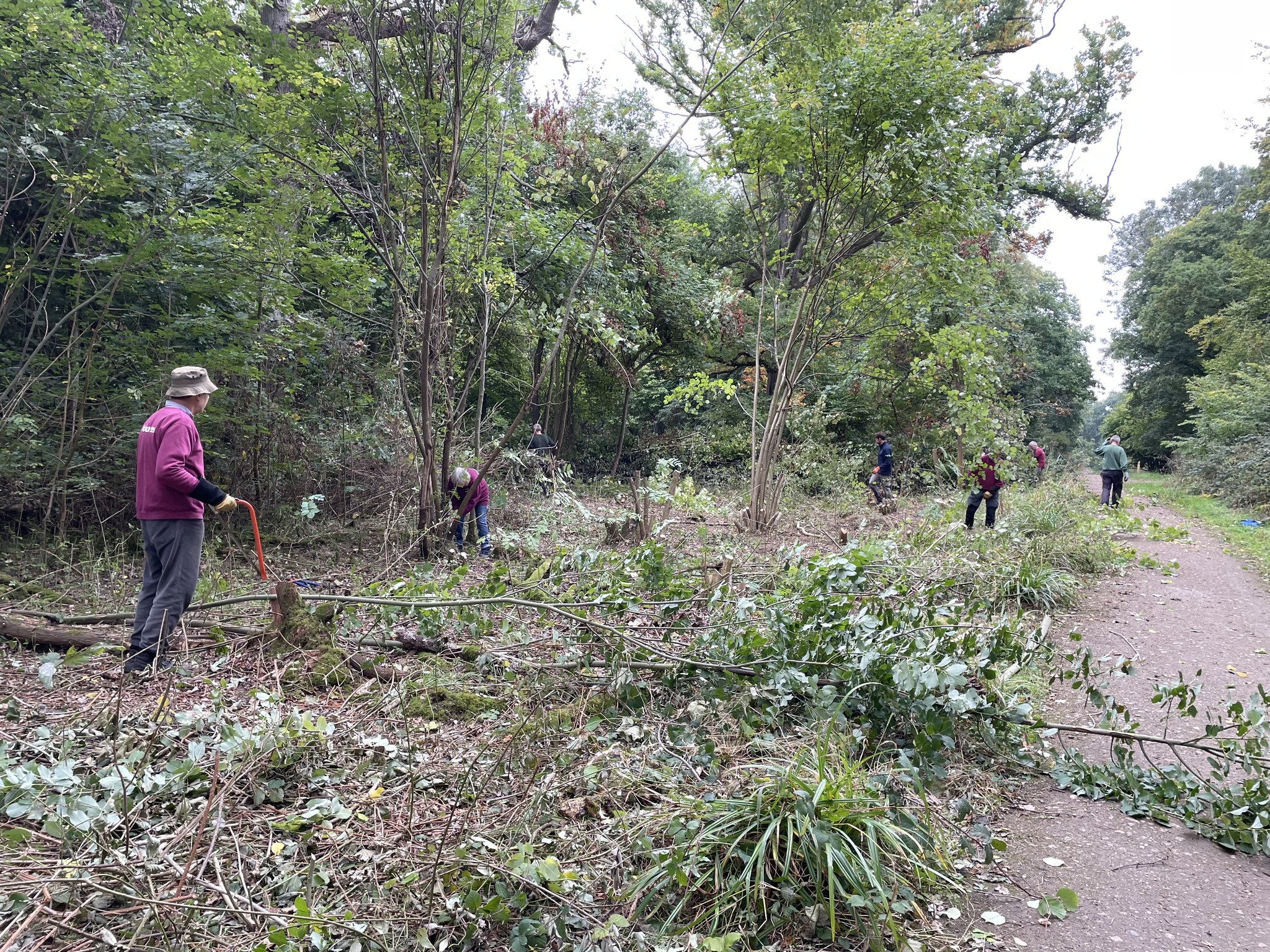
As we move from summer into autumn, you’ll notice a difference in how our land management team and volunteers are working across our sites. At this time of year you’ll often find us cutting back branches and occasionally felling trees. Tree management is an important part of the conservation calendar through autumn and winter, and sometimes cutting trees back or down is the best solution for people, habitats and wildlife.
Why do we cut down trees?
There are a number of reasons we might cut down trees across our landscape.
Tree management for safety
Earth Trust is all about helping nature and people thrive together, and keeping our landscape safe for people to enjoy is a big part of that ethos. Dead or damaged trees can pose a risk to people if they’re too close to areas often travelled, such as footpaths, roads, waterways, or even fields used for picnics and dog walks.
Reducing or removing these trees is key to helping people and nature thrive together safely, but we will still only take this action if it’s absolutely necessary. We carry out annual tree safety assessments with external experts, and this information guides us on whether any of our trees pose a risk to visitors, and what can be done to make sure people can continue to safely enjoy our landscape.
Tree management for biodiversity
Cutting down carefully selected trees across our woodlands helps us create as many opportunities as possible for nature to thrive in our habitats.
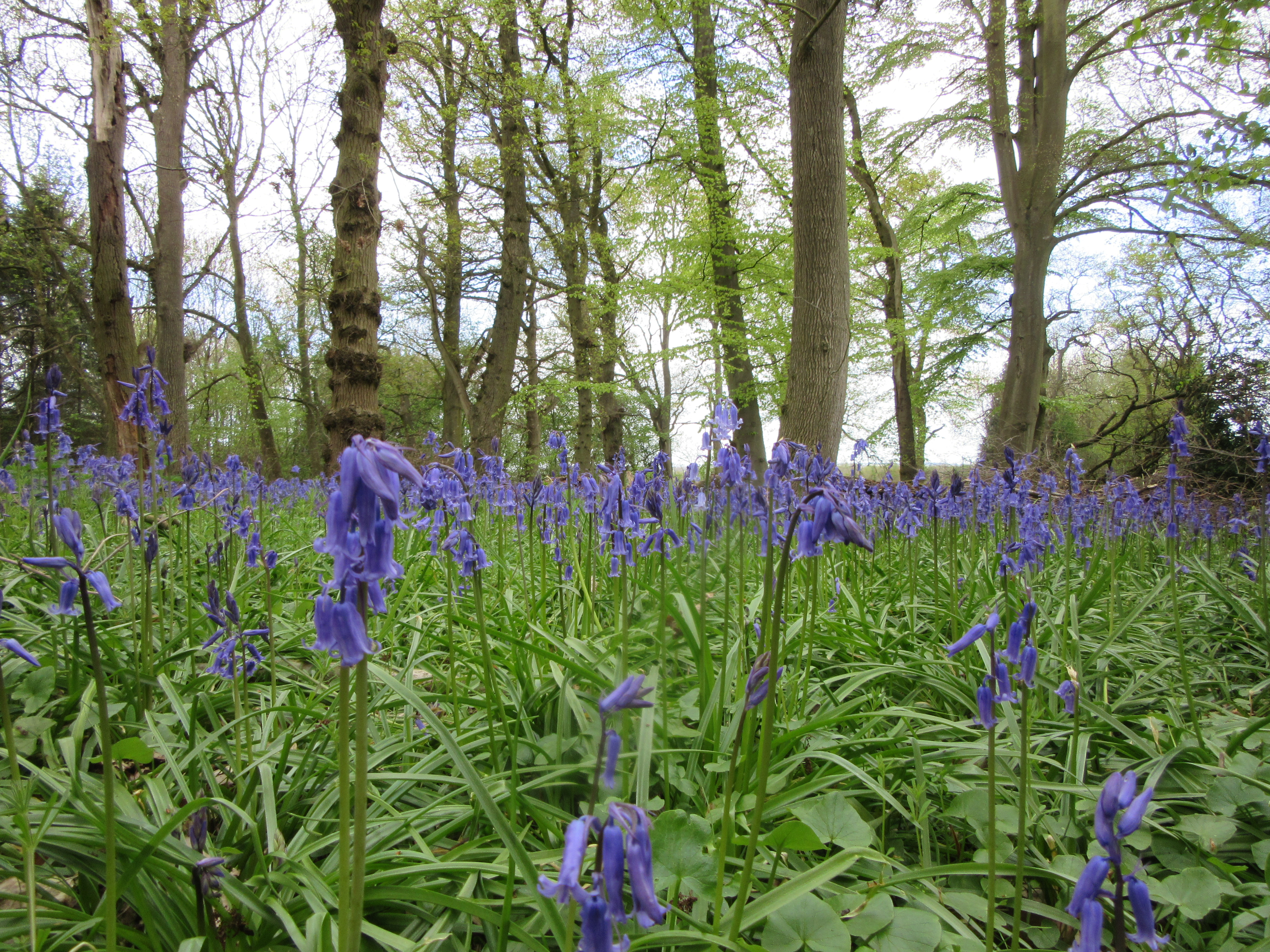
Woodlands with trees of different sizes, species and ages, can support a greater variety of wildlife than those whose trees are all the same. Young shrubby growth offers nesting, foraging and protection for a range of birds and mammals that can’t be supported in a woodland dominated by older, taller trees, which supply different benefits to different species. Meanwhile, open areas with lots of light support wildflowers, which provide nectar for birds, butterflies and other insects. Trimming back tall shrubs, or felling trees near open areas, helps to preserve this range of habitats.
Dead wood is also an important resource for biodiversity. You might find us cutting the branches off a dead tree and laying the felled wood on the ground to rot, while leaving the trunk standing. This is because standing dead wood offers protection, nesting and roosting for a range of species, while fallen dead wood provides essential habitat and food for invertebrates. These invertebrates recycle nutrients from the wood back into the soil, where they can be re-absorbed by other trees.
Tree management for resources
Part of our mission at Earth Trust is to use our land productively, and tree management can provide us with sustainable resources in ways that also support nature and wildlife.
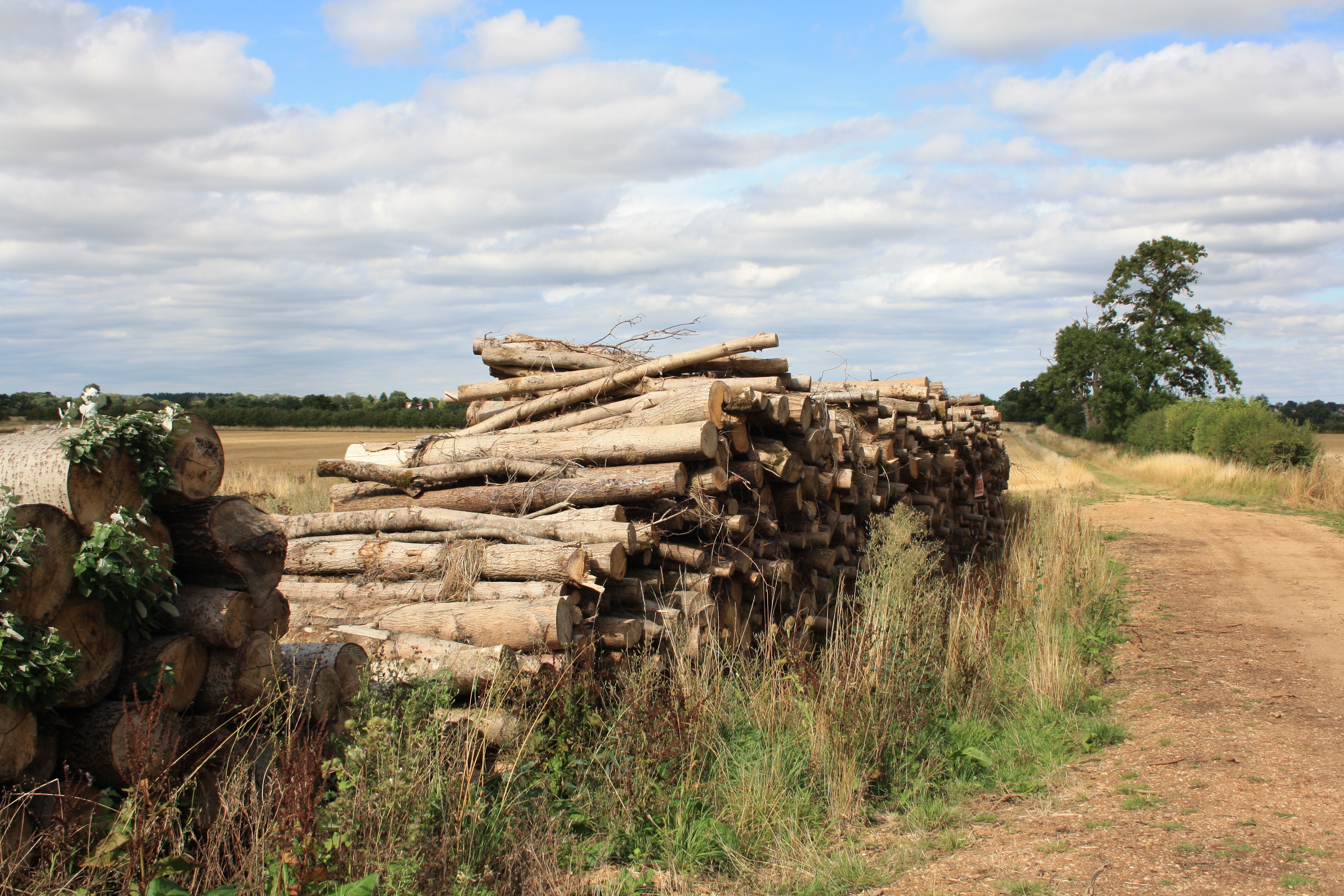
Coppicing is a traditional woodland management technique which involves cutting back new growth in different ‘blocks’ of trees in a woodland each year. Not only does this help to maintain a varied woodland structure, but it also allows us to harvest materials used for hedgelaying across our site. Taller trees which meet the right conditions can also be used or sold as sustainable timber.
Smaller branches can be used in woodland conservation, for example to protect new plants and trees from deer. They can also be used to create dead hedges, which support waymarking and boundaries throughout woodlands and provide habitat for invertebrates. Any wood left over from these activities is often mulched and used within our edible garden, or it can be burned and turned into charcoal.
What does tree management look like across our land?
Thames Riverbank
Those who enjoy walking across our landscape will know that one of our riverside paths has been closed for safety reasons. There are trees along this path which may pose a risk to passers-by on the footpath, and could obstruct traffic on the river Thames if they fall. This autumn we’ll be carefully felling and removing these trees so we can re-open the footpath, and avoid any unnecessary closure of the waterway.
Mowbray Fields
Mowbray Fields supports a range of specialised plants like orchids, which we’re in danger of losing to encroaching willow trees. We’re stopping this take-over by coppicing part of the willow, creating a varied structure to support more species, and by cutting back willow saplings and reedmace to create more open space for orchids and other wet meadow plants to colonise. This management means that by next summer, visitors will enjoy a spectacular show of seasonal flowers while walking around the perimeter path.
Join us to help people and nature thrive together
Our land management activities depend on the generosity of our volunteers, who give their time and energy to helping us manage our landscape for people and nature. If you’re interested in joining our land management work parties, click here to learn more about volunteering at Earth Trust.