nature-friendly farming
Farming for the future
Nature-friendly Farming
Come and see farming that is productive, profitable and good for nature
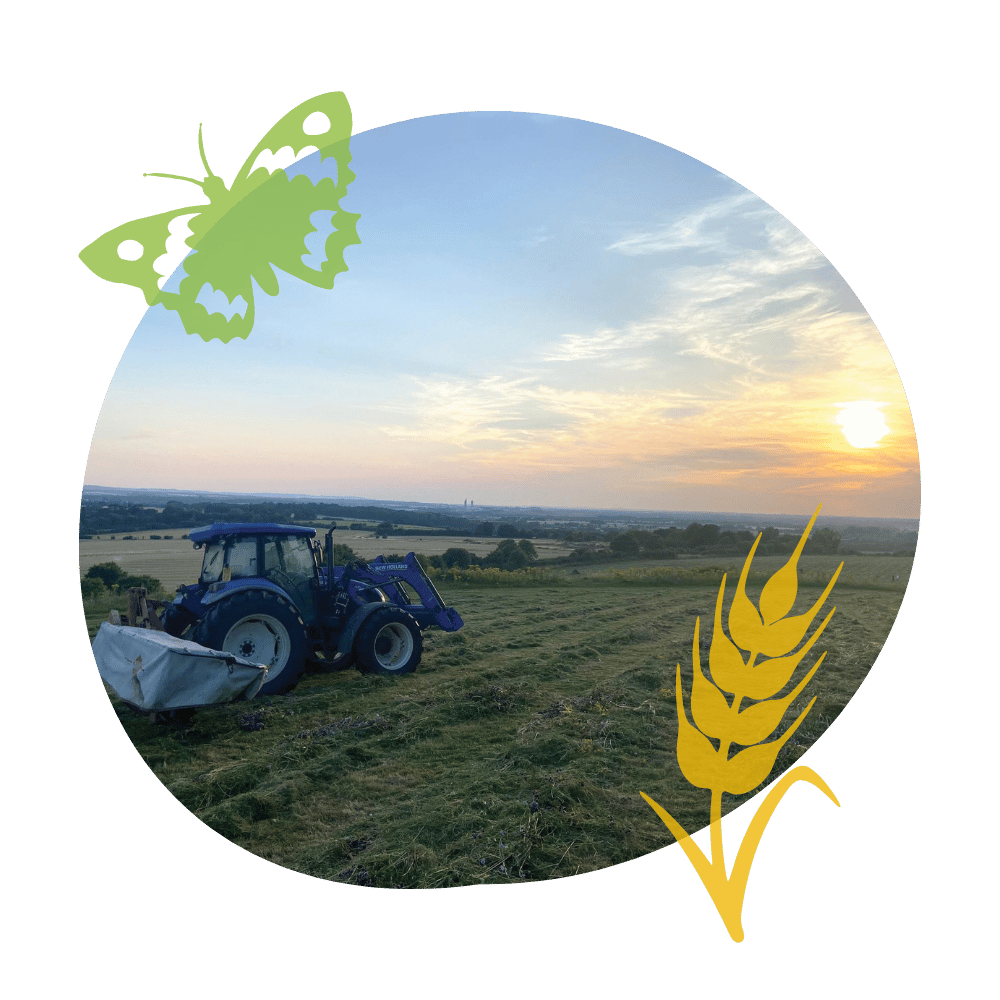
Walk through fields where crops grow alongside wildflowers. See trees integrated into arable and livestock systems. Explore habitats buzzing with wildlife. Follow a trail through a working farm that is changing how it manages land.
At Earth Trust, we are rebuilding the way we farm. We are introducing regenerative and nature-friendly approaches for healthy soils, thriving wildlife and a resilient farm business. Most importantly, we are doing it in the open, so people can see for themselves what works, what doesn’t, and what it takes to make change happen.
Nature-friendly farming
Explore the farm
nature trail
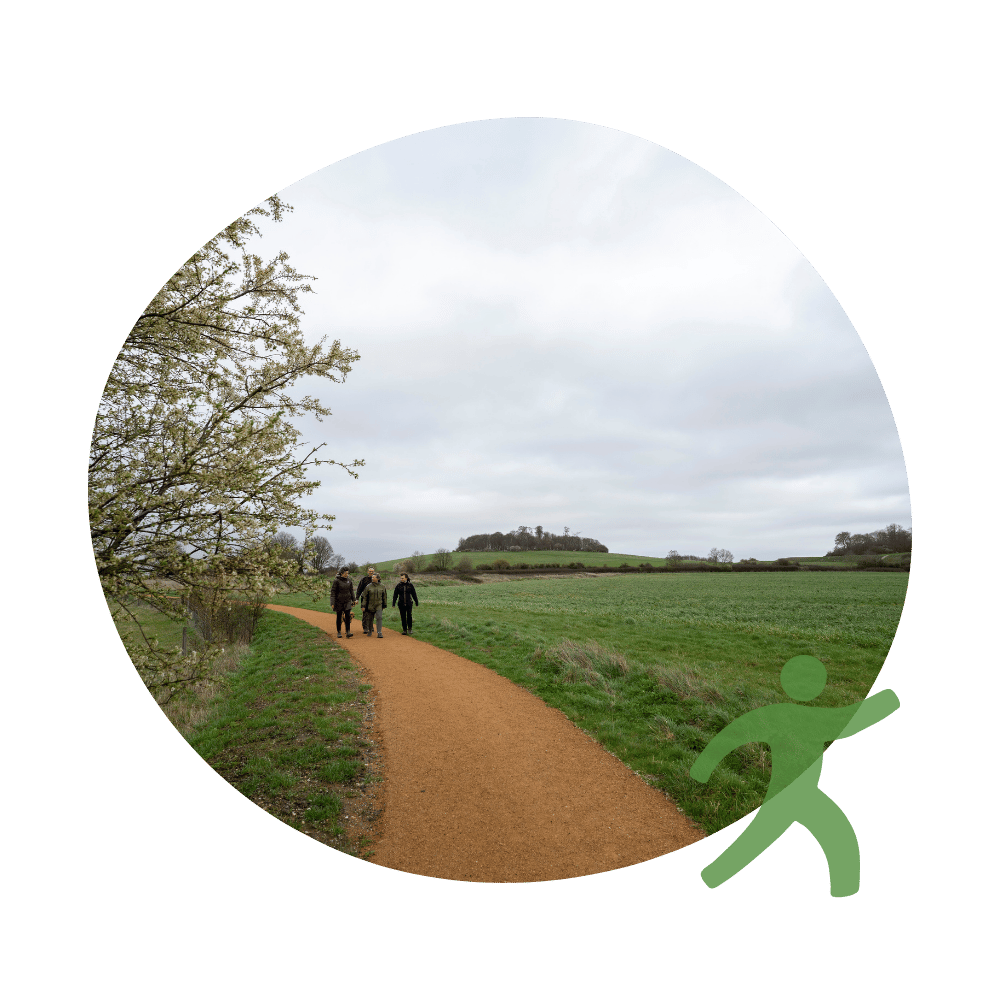
Many of the changes we are making can be seen from our Farm Nature Trail. The route takes visitors through working farmland, agroforestry systems, wildflower habitats and restoration projects, offering a chance to see farming and nature side by side in a real landscape.
Nature-friendly Farming
Why we’re changing the way we farm
Farming is changing. Farmers are facing new challenges from uncertain weather patterns, rising costs and increasing pressure on the land.
At the same time, farming shapes more than 70% of the UK’s countryside. If wildlife is to recover at scale, nature-friendly approaches need to work not just on nature reserves, but across productive farmland too.
That is why we are rebuilding our role as a place where farming approaches can be tested, demonstrated and shared. Our focus is simple: creating a landscape where farming is productive, nature is increasing, and the results are clear to see.

Sustainability
A real working landscape
Earth Trust manages more than 530 hectares of fields, woodland, wetland and meadows around the Wittenham Clumps.
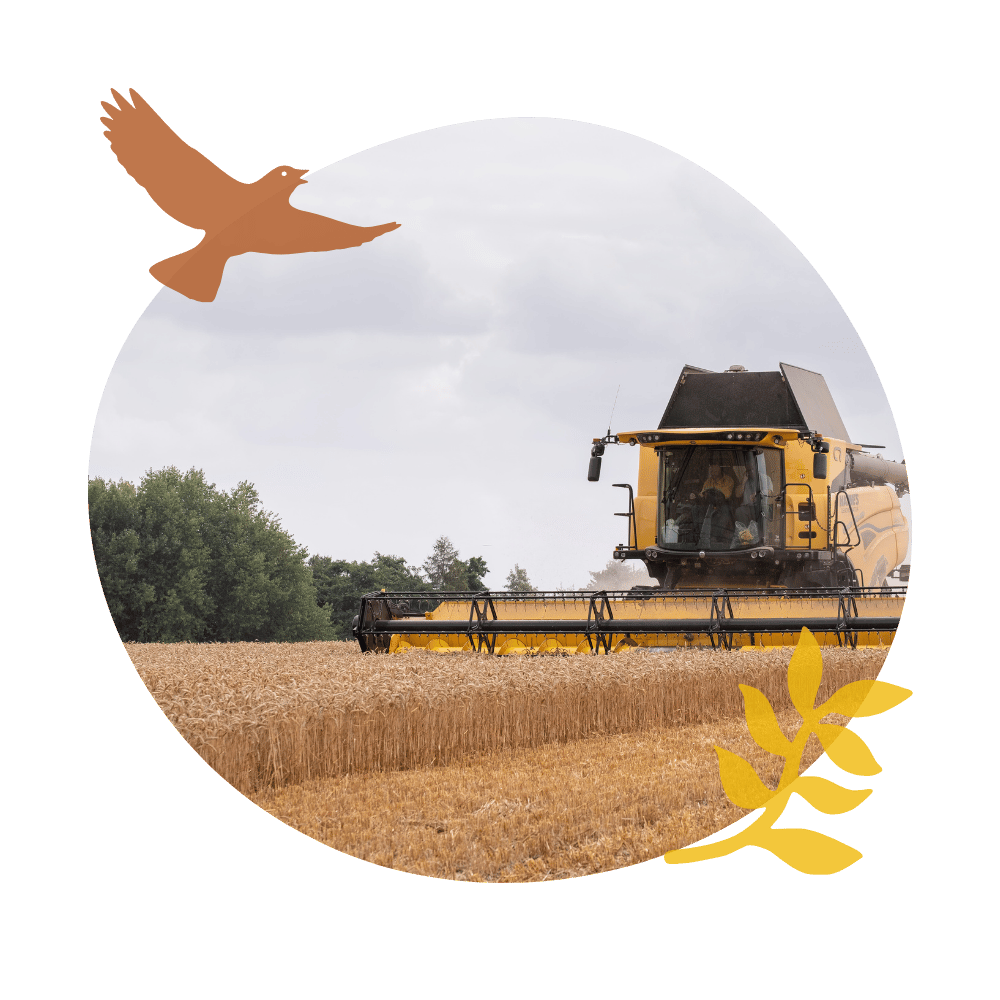
This is not a research station or a small demonstration plot. It is a real, working landscape that produces food, supports wildlife and welcomes hundreds of thousands of visitors every year.
That openness makes this place distinctive.
Farmers can see how different approaches work in practice. Families can discover how food production and wildlife fit together. Funders and partners can see how changes on one farm can help influence land management far beyond our boundaries.
Because it is here, in a landscape that people experience every day, that new ways of managing land can be tested, understood and shared.
What we are testing
We are taking a whole-farm approach to regenerative and nature-friendly farming, exploring how different elements work together to create a resilient farming system.
Building healthier soils
Healthy soils are the foundation of productive farming. We are reducing soil disturbance, increasing plant diversity and introducing cover crops and herbal leys to improve soil structure, build organic matter and strengthen resilience to drought and extreme weather.
Increasing diversity
We are creating more diverse farming systems through varied crop rotations, agroforestry, species-rich grasslands and habitat creation. Diversity can improve resilience, support wildlife and strengthen ecosystem health across the farm.
Reducing reliance on inputs
By supporting pollinators and beneficial insects and adopting integrated pest management approaches, we are exploring how farms can work more effectively with natural processes while maintaining productive crops.
Integrating livestock and crops
Livestock play an important role in regenerative farming systems. Through grazing management, species-rich grasslands and the integration of livestock into wider farming systems, we are working to improve soil health, support biodiversity and build resilience across the farm.
Farming as a business
For any approach to be adopted widely, it needs to make economic sense. We are exploring how farming can remain commercially viable while improving environmental performance, diversifying income and reducing long-term risk.
Nature-friendly Farming
Building on 40 years
of learning
For more than forty years, Earth Trust has shown that farming and nature can work together.
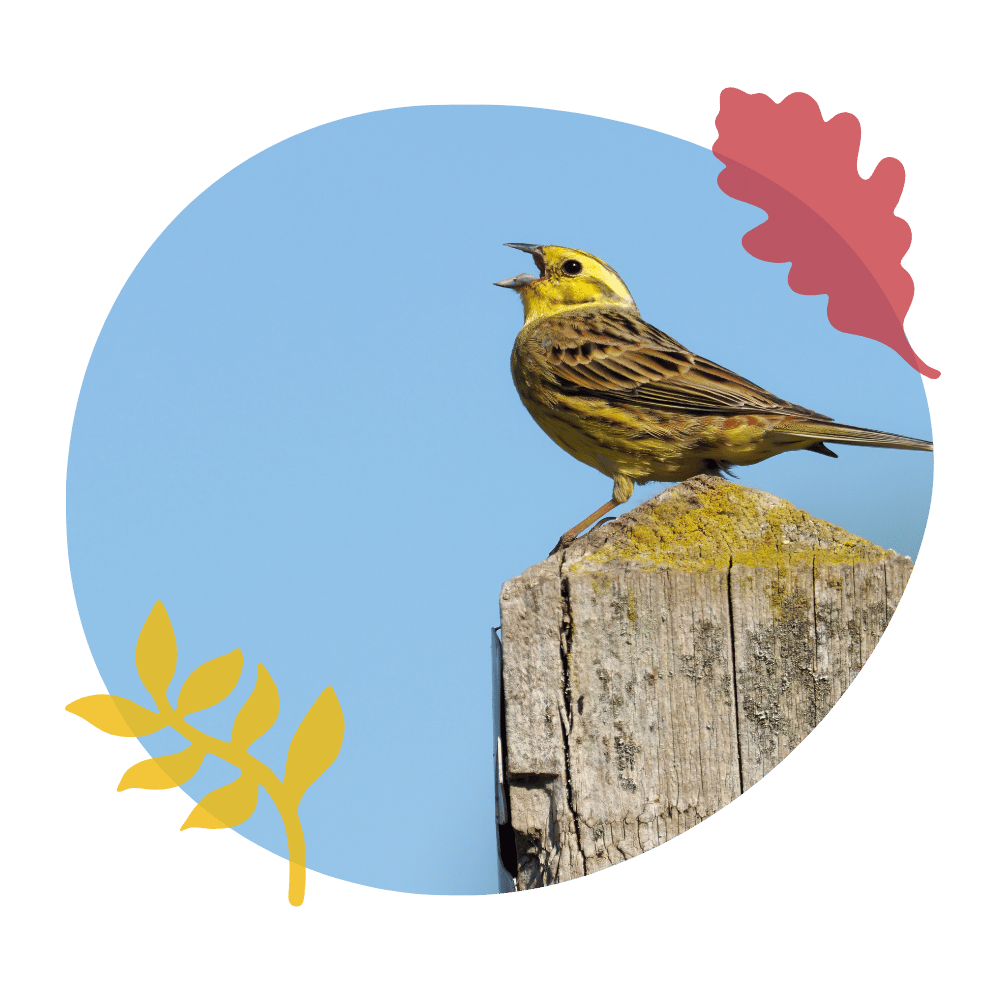
We are known for pioneering approaches such as beetle banks, flower-rich field margins and innovative grazing systems long before many became mainstream. Thanks to decades of nature-friendly land management, species such as yellowhammer, linnet and grey partridge continue to thrive here despite declining in many other farmed landscapes.
But farming continues to change, and so do we.
Today we are building on that legacy by reshaping the way we farm and exploring what productive, profitable and nature-friendly farming looks like in the decades ahead.
Farming in action
Across the farm, we are testing practical approaches that farmers, visitors and partners can see for themselves.
Many of these projects can be explored from the Farm Nature Trail:
Trees in grazed fields
We are introducing trees into pasture through a silvopasture approach that combines grazing livestock with carefully selected tree species. As the trees mature they will provide shade and shelter for livestock, improve biodiversity and strengthen resilience to a changing climate.
Trees in arable fields
Our silvoarable system combines crops, fruit and nut trees, and flower-rich habitats within the same field. The project explores how agroforestry can diversify income, improve soil health, support wildlife and maintain food production.
Orchards
Our orchard produces fruit while providing habitat for pollinators and other wildlife, demonstrating how productive land can contribute to nature recovery when managed as part of a diverse farming system.
Hedgerows
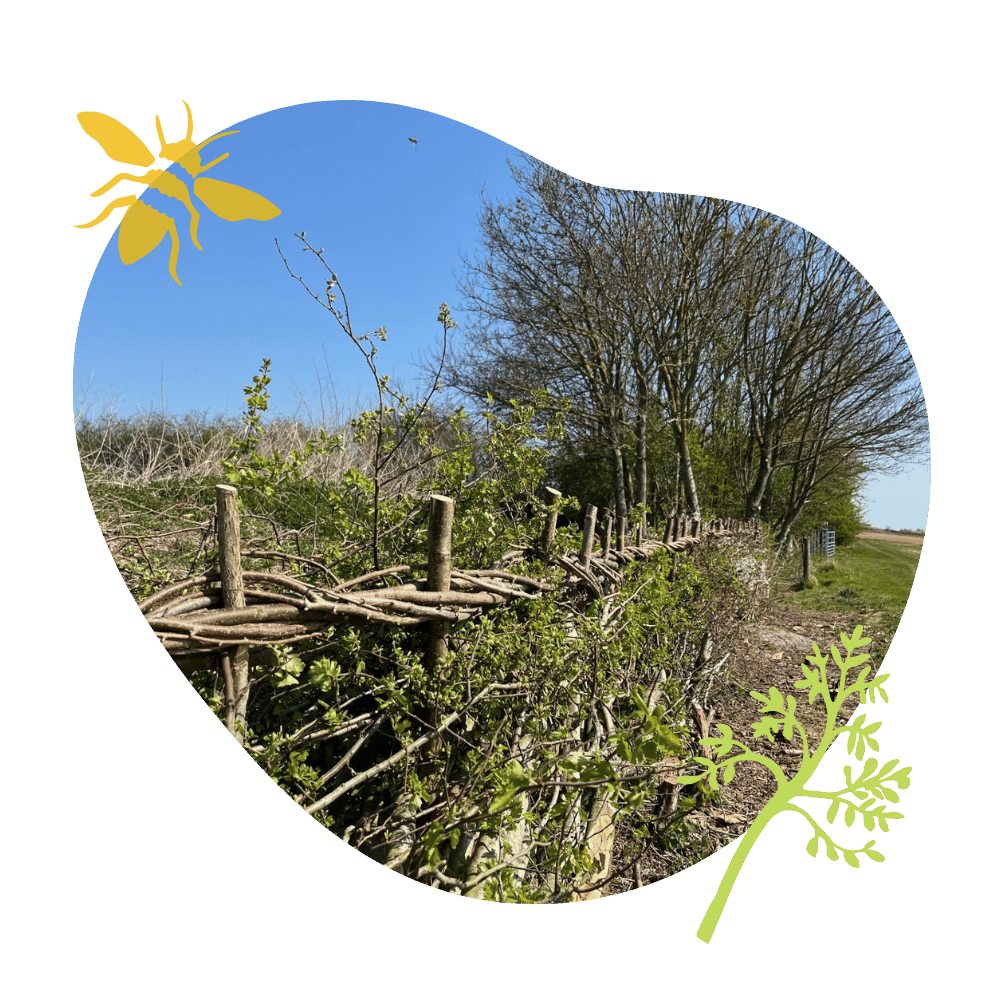
New and restored hedgerows connect wildlife habitats, support natural pest control and strengthen the resilience of the wider farmed landscape.
Wildflower habitats
Wildflower margins, beetle banks, meadows and in-field strips provide food for pollinators and beneficial insects while supporting soil health, water management and the resilience of the wider farming system.
Nature-friendly farming
Looking ahead
Over the coming years we will continue to develop healthier soils, more diverse farming systems, stronger wildlife habitats and more resilient farm businesses.
We want to rebuild Earth Trust’s role as a nationally recognised place where nature-friendly farming is tested, demonstrated and shared openly. We will monitor the results, share what we learn and help give farmers and land managers the confidence to make changes on their own land.
For farmers and land managers
Interested in seeing the farm for yourself?
We welcome visits from farmers, land managers, advisers and policymakers who want to discuss regenerative and nature-friendly farming in practice. We’ll show you what we’re testing, what’s worked well, the challenges we’ve faced and the lessons we’ve learned.
Explore the Farm Nature trail
The best way to understand what we’re doing is to see it for yourself.
Nature-friendly farming
Funding for our work
The Farm Nature Trail, route waymarking and additional habitat improvements are being supported by: North Wessex Downs National Landscape’s Access for All programme and the Trust for Oxfordshire’s Environment with funding from South Oxfordshire District Council’s Community Infrastructure Levy Fund.
This project is part of the Partnerships for Nature programme. It is led by North Wessex Downs National Landscape funded by Department for Environment, Food and Rural Affairs (Defra)’s Species Survival Fund and administered by The National Lottery Heritage Fund.